Photographing Industrial Sites in Singapore: Planning for Safety, Access, and Accuracy
15-20 MINUTES READING TIME · 16 Feb 2026
Industrial photography isn’t about visuals alone — it’s about working safely, accurately, and without disrupting operations during the photoshoots.
Industrial environments are not controlled studios
Live sites
Access to live industrial sites often requires advance clearance. This may include security passes, site inductions, and safety briefings before any photography can begin.
On many of my first visits, I am required to complete site-specific safety courses, which vary depending on the nature of the facility and work being documented.
In higher-security environments, additional procedures may apply, such as client-issued clearance documents, individual equipment serial number checks, and X-ray screening of bags before entry. These steps are part of working within active, regulated sites rather than controlled studio conditions.
Operational facilities
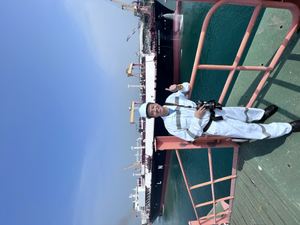
Operational facilities require me as a photographer to adapt to the working environment rather than the other way around. Depending on the site, this may involve offshore suits for open-sea or vessel-based assignments, safety vests and helmets on construction sites, or full cleanroom attire in pharmaceutical facilities.
Example, in cleanroom environments, strict protocols typically apply, including the use of face masks, bouffant caps, shoe covers, gloves, and dedicated garments. Additional protective equipment such as safety helmets, steel-toe boots, and protective eyewear may also be required, particularly in areas with low ceilings, overhead work, or active machinery.
Working within operational facilities means respecting site rules at all times and photographing without disrupting ongoing operations.
Active construction zones
Most construction photography takes place within active sites where work continues as scheduled. In many cases, operations cannot be paused for photography, and the brief sometimes requires documenting real-time activity rather than staged scenes.
While construction sites in Singapore are generally well-organised, safety cannot be assumed. Awareness of surroundings, coordination with site personnel, and adherence to safety protocols are essential when working in environments with ongoing movement, machinery, and changing conditions.

Workers assembling scaffolding at an active construction site, where coordination, safety protocols, and clear communication are essential to keep operations moving without disruption.
Common environments involved
Manufacturing plants
Manufacturing plants are typically photographed while production is ongoing, with machinery, assembly lines, and personnel operating as part of normal workflow. In most cases, equipment is not shut down for photography, and images must be captured without interrupting processes or affecting output. Where required, certain actions may be demonstrated briefly for documentation purposes, but the overall environment remains active and operational.
Depending on the facility, manufacturing environments may include standard industrial floors, controlled clean areas, or hybrid zones such as electronics and aircraft-related facilities. Each setting comes with different access rules, cleanliness requirements, and movement restrictions, which influence where and how photography can take place.
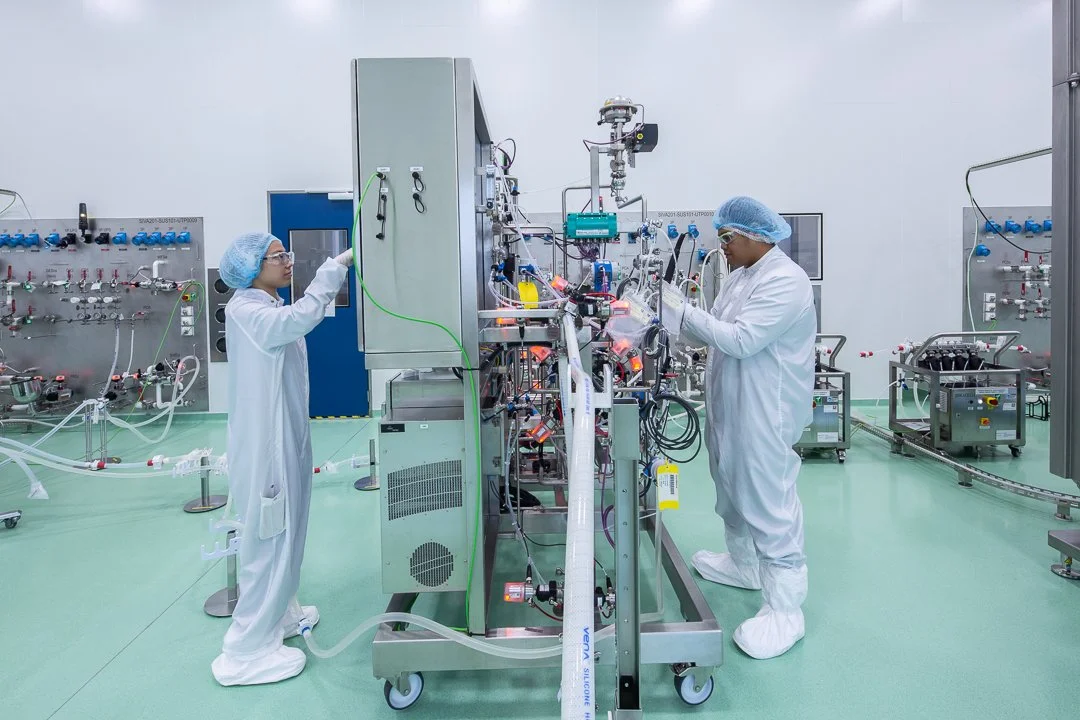
A small team operating at a dedicated workstation, highlighting focused roles, task precision, and the controlled nature of pharmaceutical manufacturing workflows.
Construction sites
Construction sites are dynamic environments where conditions change throughout the day. Photography often takes place alongside active work, with multiple trades operating simultaneously, machinery in motion, and site layouts evolving as the project progresses. In most cases, construction activity continues as scheduled, and photography must adapt to the pace and constraints of the site.
Access and movement are typically coordinated with site supervisors or safety officers. Certain areas may be restricted depending on ongoing work, and clear communication is required to ensure photography can be carried out without interfering with operations or compromising safety. Timing, awareness of surroundings, and adherence to site protocols are essential when working in active construction zones.

Construction activity on a live site, with company branding visible as part of real operations rather than staged imagery.
Tunnels and underground infrastructure
Tunnel and underground infrastructure photography presents a unique set of challenges due to confined spaces, limited lighting, and restricted access. These environments often involve active worksites below ground, where movement is controlled and coordination with site personnel is required before photography can begin.
From a documentation standpoint, underground photography focuses on clarity and spatial understanding. Images are used to show scale, alignment, and construction progress within enclosed environments, where perspective and lighting must be managed carefully to avoid misrepresentation. The emphasis remains on recording conditions accurately while working safely within constrained and evolving spaces.

Construction of an underground train station, documenting scale and structural complexity.
Maritime and vessel environments
Maritime and vessel-based photography involves working within confined, moving, and operational spaces. Assignments may take place on board vessels, at ports, or offshore, where conditions such as weather, vessel movement, and restricted access influence how photography can be carried out. These environments often require coordination with crew and adherence to maritime safety procedures while working around active operations.
Photography in maritime settings prioritises situational awareness and efficiency. Space is limited, access points may be narrow, and activities continue as scheduled. Images are captured with minimal disruption, focusing on accurately documenting vessels, equipment, and work processes within their real operating context rather than staged conditions.
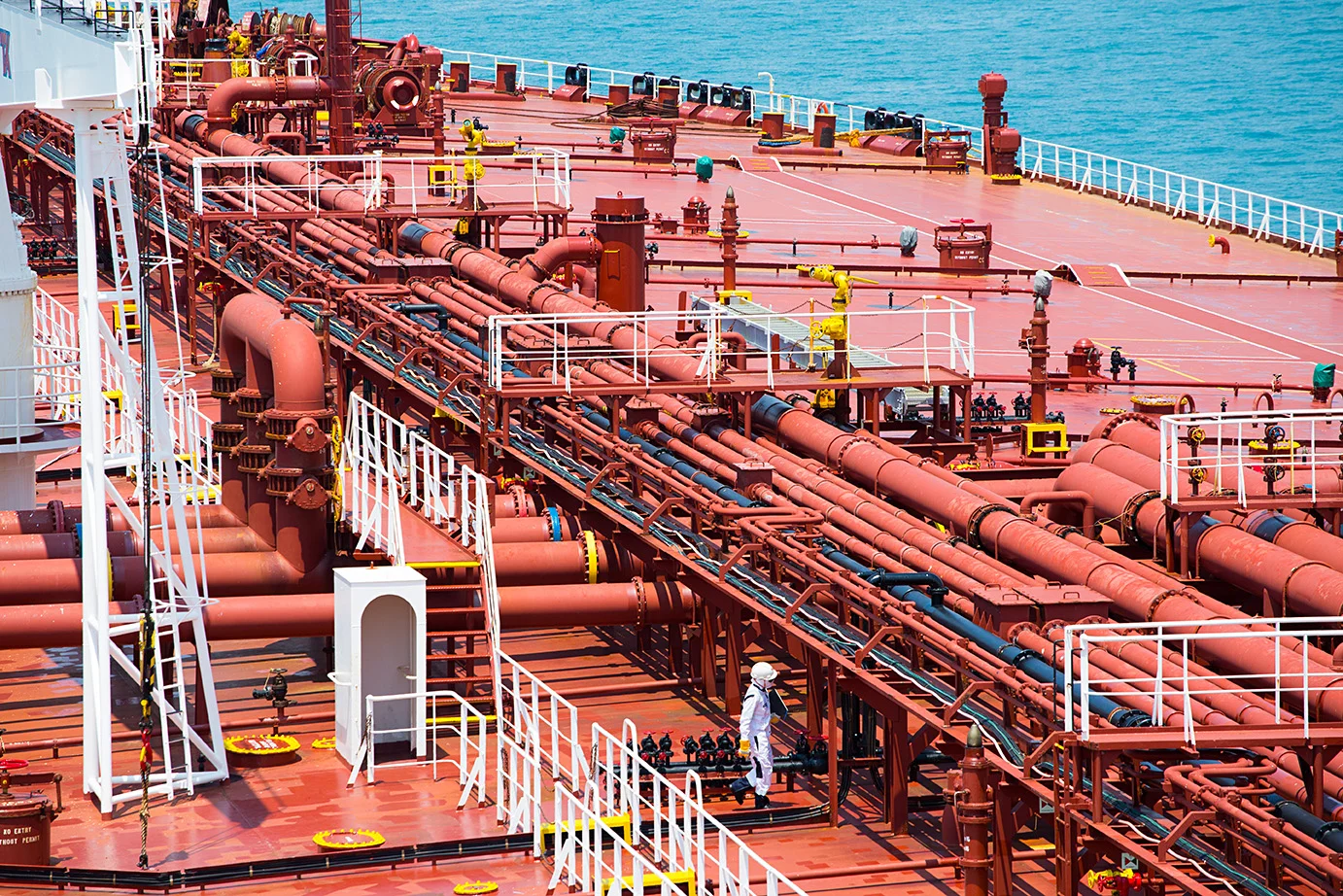
Crew inspecting a vessel during operations, using human scale to convey the size and complexity of maritime environments.
Logistics and facility operations
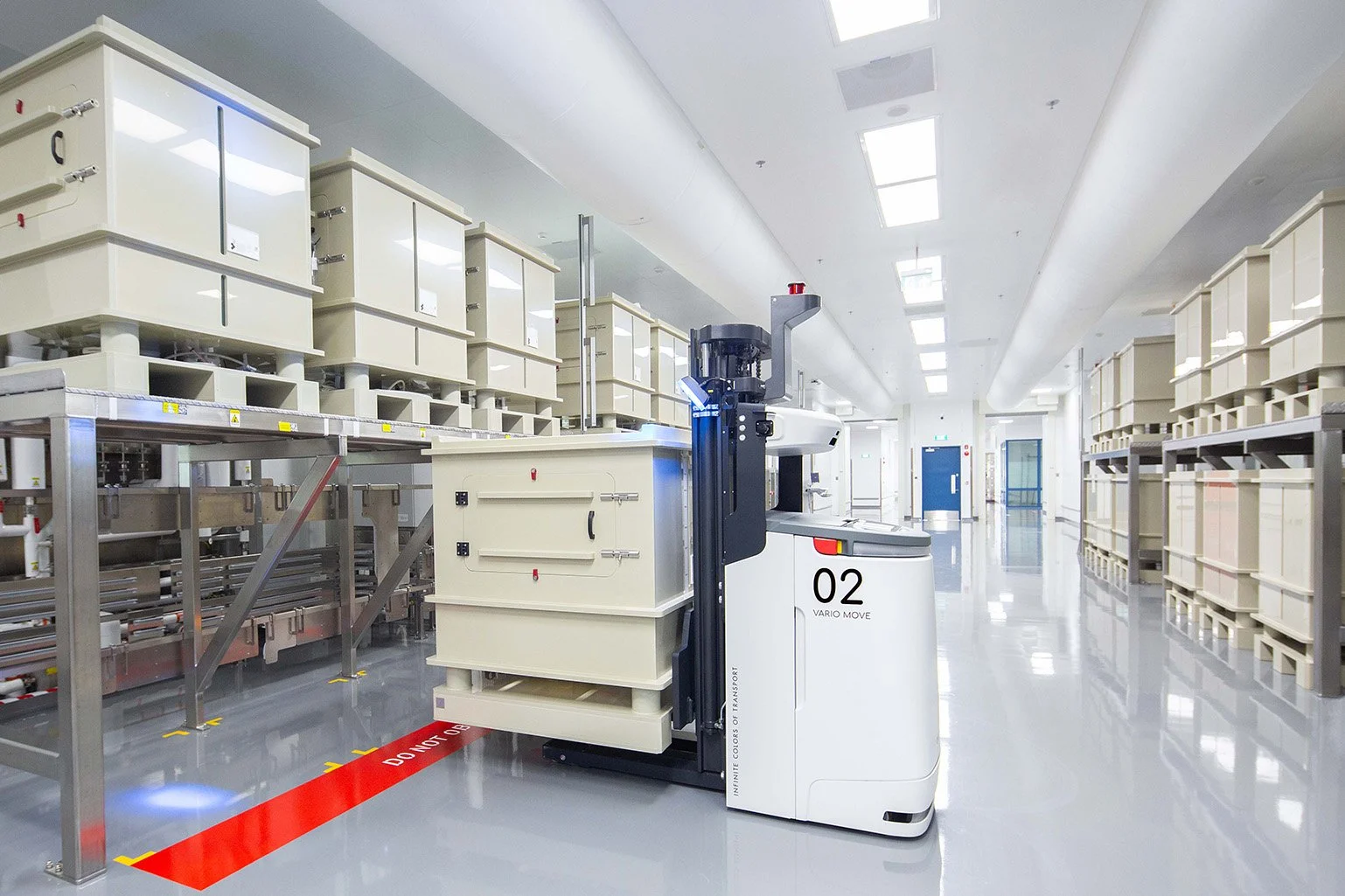
Logistics and facility environments are typically fast-moving, operational spaces where workflow efficiency is critical. Photography may take place within warehouses, distribution centres, or operational facilities where robotics, vehicles, equipment and personnel are in constant motion. Access and timing are often coordinated to avoid disrupting daily operations.
In these settings, photography supports documentation of processes, layouts, and operational flow. Images are captured to reflect how spaces function in real use, providing clear visual records of facilities, equipment, and movement patterns rather than purely aesthetic interpretations.
Crew inspecting a vessel during operations, using human scale to convey the size and complexity of maritime environments.
Documenting industrial environments accurately
My industrial photography focuses on producing clear, reliable documentation that reflects how sites operate in reality while aligning with specific project and branding requirements. Understanding workflow, access conditions, and site constraints before photographing allows images to represent operations accurately, whether documenting live processes or planned scenarios.
Wide-angle views are commonly used to convey scale and spatial context, while controlled perspectives help maintain visual accuracy across interiors, machinery, and infrastructure. Where required, photographs also incorporate client branding elements such as logos, colours, and environmental details, ensuring the final images support both operational documentation and corporate communication needs.
Why planning matters before the shoot
Careful planning is essential for industrial photography, not to control the environment, but to work efficiently within it. Many challenges are not visible on the day itself and must be addressed in advance to avoid delays, access issues, or incomplete coverage once work is underway.
Effective preparation ensures photography can proceed smoothly alongside operations, allowing images to be captured accurately and within the constraints of the site.
PPE requirements
Personal protective equipment requirements are usually confirmed in advance, including sizing for items such as safety vests and boots. In controlled environments such as cleanrooms, additional time must be factored in for gowning procedures, zone changes, and re-entry after breaks, which can significantly affect the pace of work if not planned properly.
Some sites also apply different PPE requirements across separate areas, particularly in facilities with varying clearance levels. Understanding these transitions beforehand helps prevent unnecessary downtime and ensures photography remains aligned with site protocols.
Access approvals
Access approvals are typically coordinated with clients ahead of time, including advance submission of name lists and equipment serial numbers for security clearance. While approvals are usually straightforward, additional verification may occasionally be required on site, which can affect entry timing if not anticipated.
Operational changes can also occur at short notice. Vessel arrivals, transport schedules, or site access windows may shift unexpectedly, making flexibility and prior coordination critical to maintaining coverage without disrupting operations.
Safety briefings
Safety briefings are a standard requirement before photography begins, particularly on first visits. These may be conducted in person as group inductions or completed individually through digital platforms, often followed by short assessments to confirm understanding of site rules and emergency procedures.
Completing these briefings efficiently is part of preparation, ensuring photography can begin without delay while maintaining compliance with site safety expectations.
Timing with site operations
Industrial photography is often scheduled around operational realities rather than fixed studio timelines. Shoots may take place on weekends, within limited access windows, or during specific operational phases when machinery or personnel are available.
Weather conditions, specialist availability, and site activity can all affect timing. Planning is therefore done in advance, either independently or in coordination with clients, to ensure photography aligns with operational schedules while remaining adaptable to last minute change.
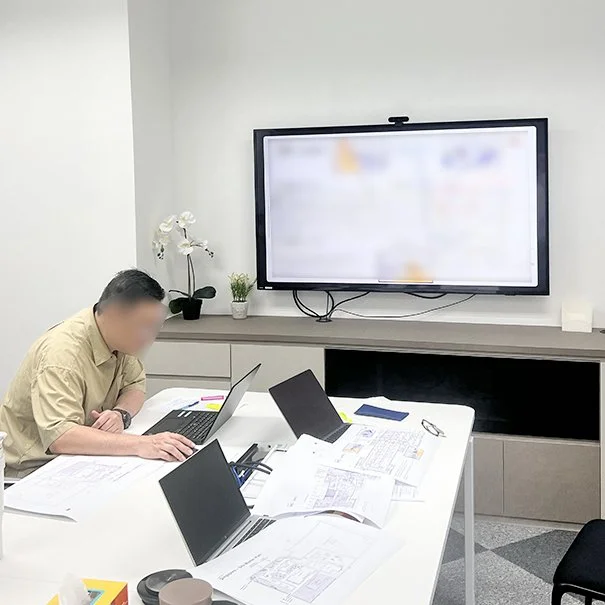
Post-site survey planning back in the office, where workflow understanding and site conditions are reviewed before photography begins.
Accuracy over aesthetics
In industrial photography, images are often used beyond visual presentation. They may appear in annual reports, sustainability reporting, corporate communications, or internal documentation where clarity and accuracy matter as much as visual quality. In these contexts, photographs are expected to represent conditions and progress reliably, without creating confusion or misinterpretation.
While visual refinement is important, images that over-emphasise scale, isolate details, or remove contextual reference can unintentionally distort how a site or process is understood. Requests to move/zoom closer or simplify a scene are sometimes made, but these decisions are weighed carefully to ensure the image continues to reflect reality rather than an impression.
Why documentation clarity matters
Clear documentation images allow internal teams, stakeholders, and external audiences to understand what is being shown without additional explanation. When photographs are used in reports or presentations, ambiguity often leads to follow-up questions, clarification requests, or misaligned expectations. Accuracy reduces the need for interpretation and supports confident communication.
Avoiding misleading angles
Certain angles or framing choices can unintentionally exaggerate size, hide spatial constraints, or suggest a level of completion that does not reflect actual conditions. In industrial settings, avoiding misleading perspectives is part of responsible documentation, ensuring that photographs support informed understanding rather than visual persuasion.
Showing scale and workflow correctly
Including appropriate reference points helps viewers understand how spaces, equipment, and processes relate to one another. People, machinery, or surrounding structures often provide essential context, allowing scale and workflow to be understood naturally. This approach ensures images reflect how operations function in practice, rather than presenting isolated or disconnected views.
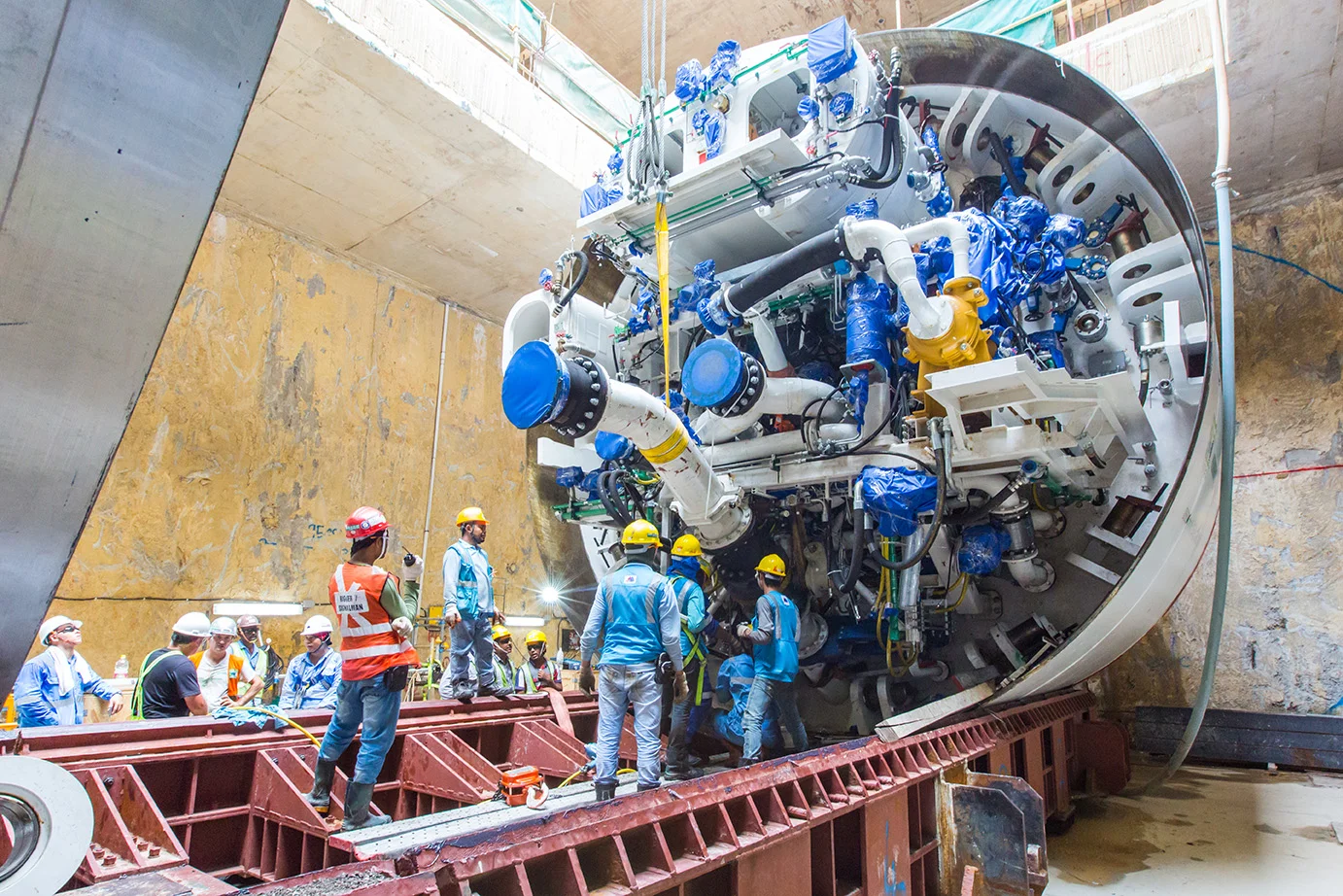
Assembly of a tunnel boring machine inside an underground facility, where access, lighting, and safety considerations shape how documentation is approached.
Working with an experienced industrial photographer
In industrial and construction environments, photography is rarely just about visuals. Most images are created to explain, record, and communicate — often to people who were not on site.
Photos may be used for:
annual and sustainability reports
corporate websites and communications
internal progress updates
long-term project records
Because of this, how an image is photographed matters as much as how it looks.
Experience matters more than most people realise
Industrial sites are busy, regulated, and constantly changing. Without site experience, it’s easy to photograph something that looks fine visually but creates confusion later.
An experienced industrial photographer understands:
what project teams usually need to see
what should not be visually misrepresented
how images may be interpreted months or years after the shoot
This comes from time spent on real sites — working around operations, safety requirements, and access limitations.
Accuracy helps everyone down the line
In industrial photography, accuracy means:
showing the right level of detail
keeping scale and context clear
avoiding images that can be misunderstood outside the site
When images are clear and truthful, they support reports, internal discussions, and external communications without raising questions later. This is especially important when visuals are shared with management, partners, or stakeholders who rely on images to understand progress.
View real-world industrial photography examples
If you’d like to see how this approach translates into real projects, you can view my industrial photography portfolio here.
This work reflects actual operating environments, real constraints, and images created for corporate and industrial use.
Frequently Asked Questions
What is industrial photography used for?
Industrial photography is commonly used for annual reports, sustainability reports, corporate websites, internal documentation, and project progress updates. These images help communicate real operations and site conditions to stakeholders who may not be present on location.
Why is planning important before an industrial photoshoot?
Planning ensures safety compliance, access approval, and alignment with site operations. It also reduces delays caused by PPE requirements, security clearance, or operational timing, allowing photography to reflect real working conditions accurately.
How do industrial photographers avoid misleading images?
Experienced industrial photographers use controlled angles and perspectives to maintain accuracy. This avoids visual distortion that could misrepresent scale, workflow, or site conditions when images are later used for reports or corporate communication.
Why does experience matter in industrial and construction photography?
Industrial environments are regulated, operational, and constantly changing. Experience allows a photographer to work safely, adapt to site constraints, and produce images that remain clear, accurate, and useful long after the shoot. Examples of this approach can be seen in professional industrial photography work.