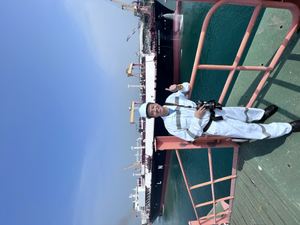
From Visualisation to Reality: Shooting In Pharmaceutical Manufacturing Plant
3 to 4 mins reading time · 05 Jan 2026
More than a decade ago, I learnt about the power of visualization — or mental imagery. I would lie in bed, picturing myself shooting inside vast industrial sites, inspired by the portfolios of other photographers. In my mind, I saw massive vessels, workers at their stations, and the scale of industry unfolding before my lens.
For sure reality was different right. I had no industrial photography experience, the right company connections, and no access to work sites. So I improvised. I carried my camera everywhere, packing lenses from wide-angle to telephoto, not forgetting my favorite 50mm, and began capturing creative industrial scenes wherever I could find them — road work, aerial perspectives of construction, even welding sparks from a safe distance.
Slowly, many industrial images became a portfolio. Piece by piece, self-curated, the powerful images gave the impression that I was already working on-site. I updated my website regularly, knowing industrial photography was a niche market with little competitors. While many photographers focused on events, wedding, family portraits. I wanted something long-term — project that could provide both creative fulfillment and challenge.
Then came the turning point. Few months later, an India conglomerate emailed me, inviting me to bid for a 22‑month project located in Jurong Island. I went ahead, and the rest was history. From vessel docking and open-sea shoots to construction sites, underground tunnels, and aerospace manufacturing, my vision had finally become reality.
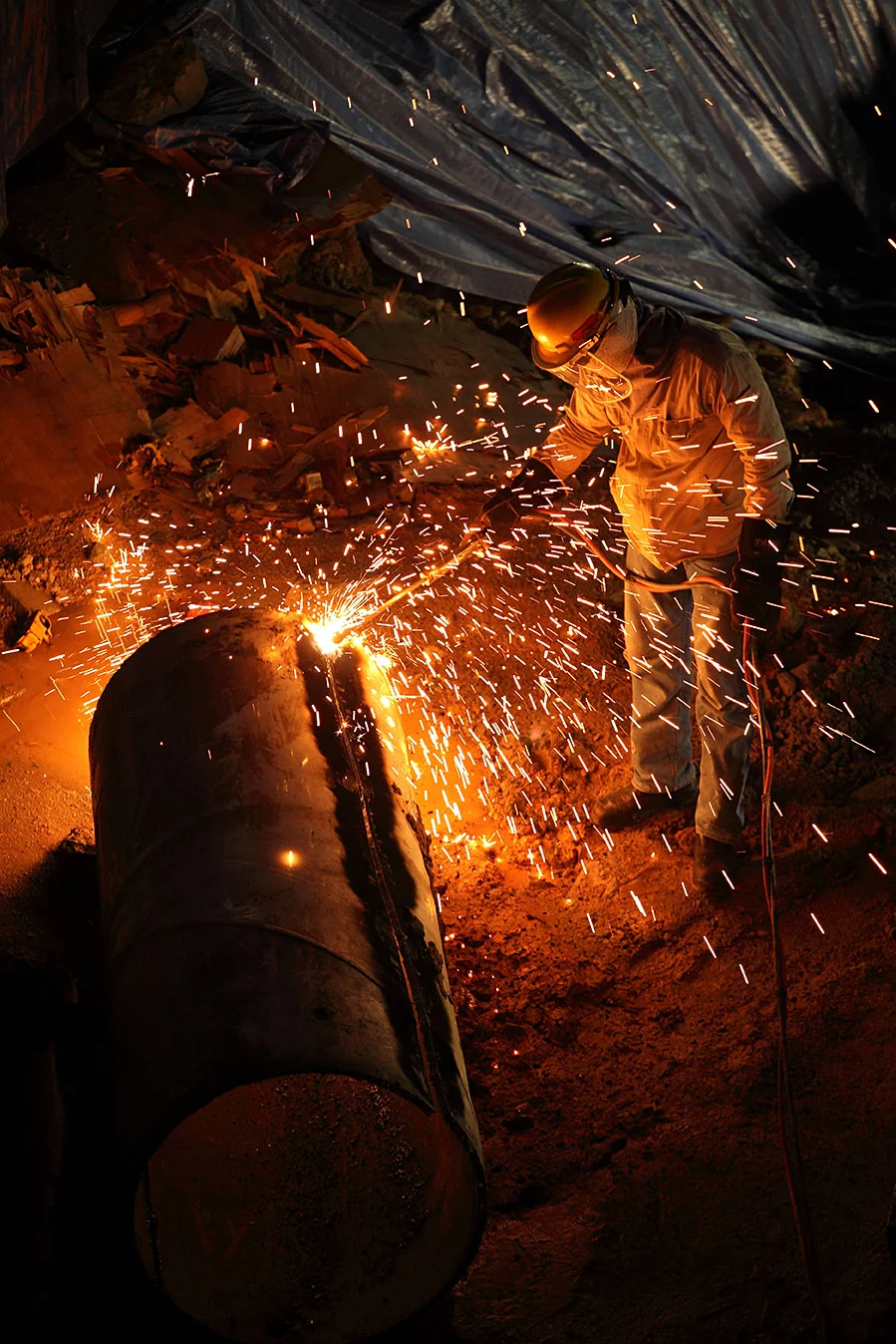
From an elevated perspective during the construction of Marina Bay Sands, I captured a worker welding, with bright orange sparks cutting through the frame. The shot delivers a powerful visual impact, symbolizing the scale and energy of industrial work. At that time, I wasn’t shooting for any industrial companies — but in my mind I was already working for one of them.
Breaking Into Pharmaceutical Manufacturing Photography
Industrial photography may be a niche market, but there’s one arena that’s even harder to access — pharmaceutical manufacturing plants. My opportunity came unexpectedly when I received an email asking me to cover an event for Pfizer. The world knows Pfizer well from the pandemic, so it was a no‑brainer to seize the chance to step on‑site again.
That assignment opened my eyes to the scale of investment the United States has made in Singapore’s biopharmaceutical sector. With a highly skilled workforce, the industry here employs around 9,000 people, powering facilities that are both complex and fascinating. It was an incredible experience, and through it I began to learn more about the companies operating in this space. Still, breaking directly into pharmaceutical shoots is no easy feat — the question of how to gain access remains a challenge.
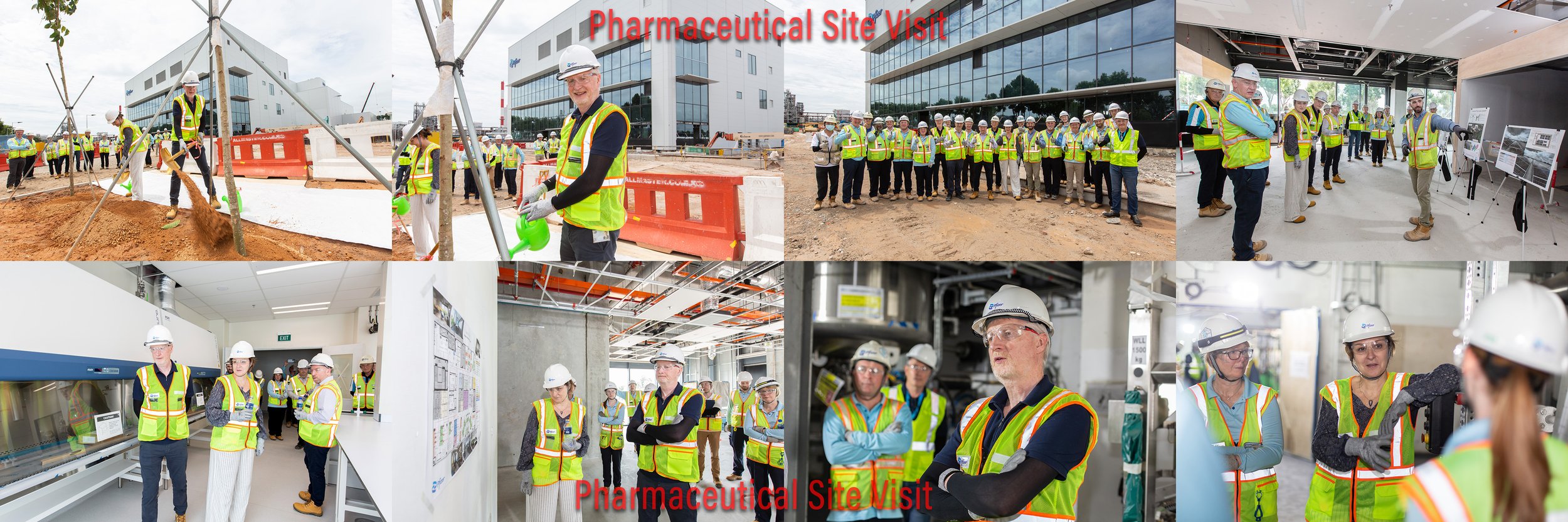
My very first pharmaceutical site visit was with Pfizer, where top management from the United States came down to Singapore. Everyone, including myself, was fully suited in PPE to comply with strict site safety regulations. As the main photographer documenting the entire event, I gained rare access into the plant and a firsthand look at how such facilities operate. It wasn’t just about covering an important visit — it was also my entry point into understanding the pharmaceutical world from the inside.
The Long Wait
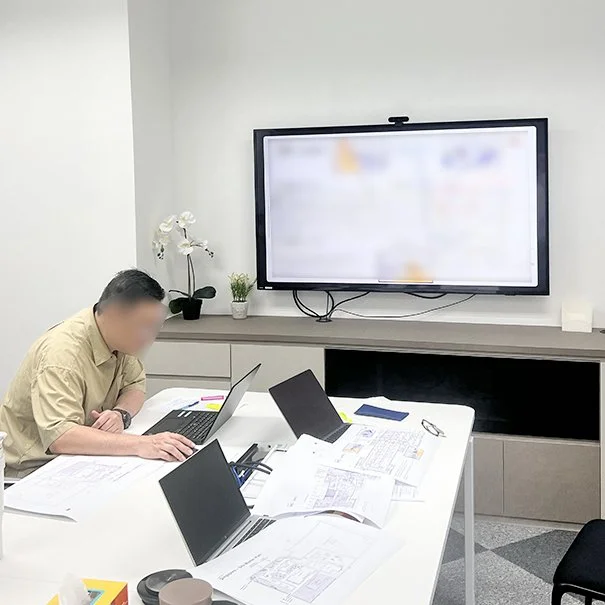
At client’s office to finalize the details.
In Q3 2024, I received an email from a company seeking my expertise to photograph an almost‑completed facility. The chief architect from Finland shared the blueprint with me. At first, the maze of lines and measurements felt dizzying, but through his explanation I quickly gained clarity.
There were countless points to cover, so I began detailed planning — mapping out how to capture the architecture, interior, and technology at specific times of day. Nothing could be left to chance. Alongside the creative work, there was also liaison and paperwork to complete. The shoot date remained uncertain, complicated further by the monsoon season at year’s end. Access to such a site was never simple; it required coordination from every party involved.
Weeks later, the client informed me the shoot had been canceled due to unforeseen circumstances. It was disappointing after all the preparation, but I reminded myself: no expectation, no disappointment. The client assured me they would reach out again once the project restarted, though I kept my hopes measured.
Twelve months later, they did return. The folder that containing the blueprint, architect’s brief, and my planning had remained intact on my desktop. I hadn’t given up — The folder was right in-front, I wanted my chance. This time, the requirements were lighter than before, but still demanded a full day of work, including a recce of the venue and meetings at their office. Finally, my preparation was put to good use.
Execution Inside the Facility
The photo shoot was scheduled on a weekend to minimize disruption. I arrived at the site at 7:30 a.m., working alone as usual, though one of the clients is required to accompany me.
Before entering the clean room, we were required to suit up. As a first‑timer, I felt a little anxious — the process seemed tedious and unfamiliar. But I followed the instructions from the ground personnel. The Indian staff guiding us was patient and reassuring, and step by step we suited up and prepared to enter.
Once inside, it was business as usual, getting the composition, creative direction to ground staffs respectfully, shifting of equipment. A mix of industrial and interior photography work. My focus was on doing what I do best: serving the client through my photography visual aspect. A big shout‑out to Alex, who provided ample help with some of the gear. We planned for a full eight hours of shooting, including a lunch break, and everything ran smoothly as planned.
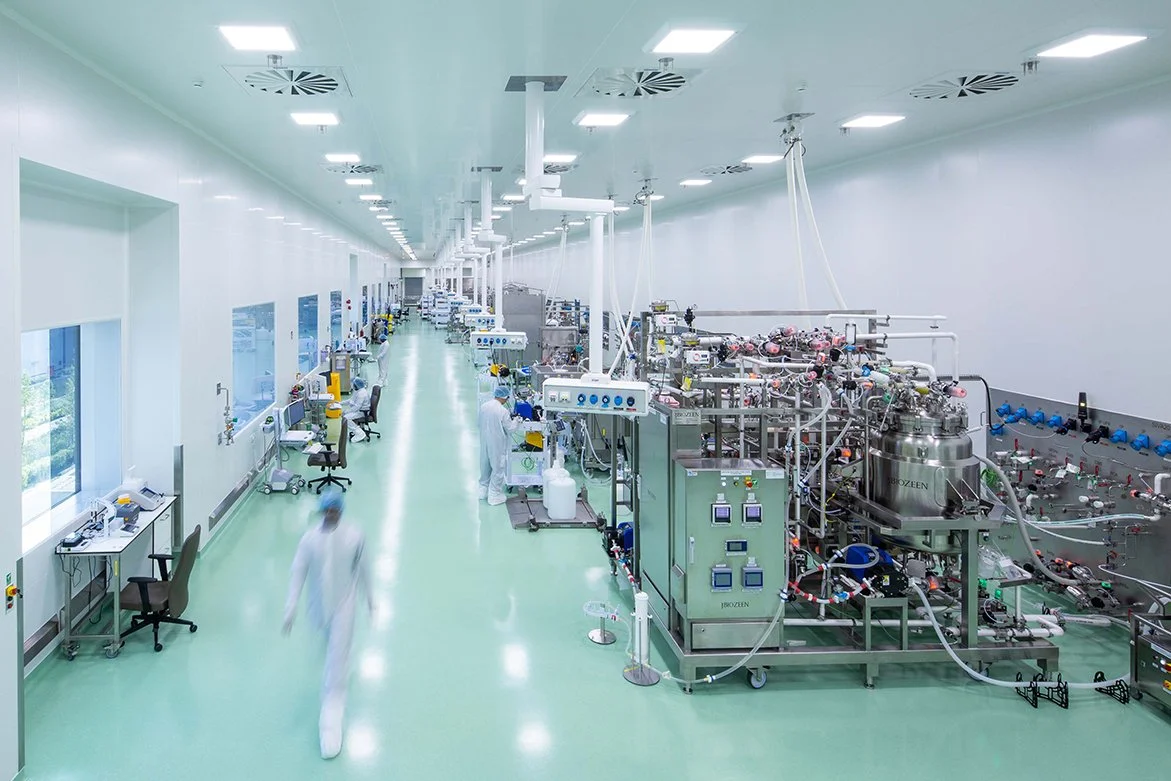
The perfect elevated vantage point over the entire facility.
The most exciting yet challenging aspect was the technology. Robotics were the new subject — faster, stronger, efficient, and operating 24/7. First time capturing the robot in work required careful thought. I asked questions, understand how the robot worked, and planned each shot in my head. There was no room for error, I never like to inconvenience staff by restarting equipment. Even in this controlled environment, ground staff had other duties to fulfill, so I felt obligated to get it right the first time through proper planning and technical execution.
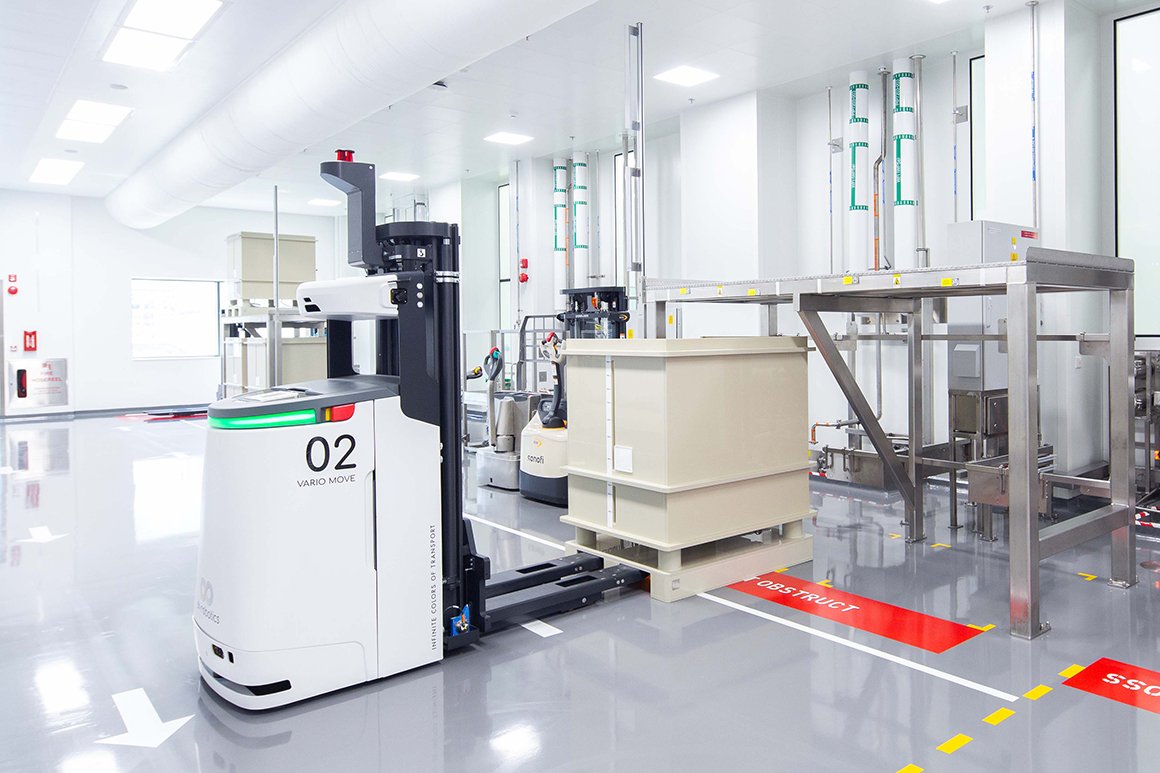
Robotic doing the heavy lifting work, transporting it to the next designated location.
Capture the Exterior Architecture of the Facility
Back in 2024, the plan was to do a full coverage of the plant’s architecture — a task that would easily take up an entire day, especially with the need to follow the sun’s orientation. This time, things were simpler. The client only requested specific angles, so during my recce I checked the compass, understanding my best positions, and focused on what mattered most.
When it comes to architectural photography, lighting is everything. The orientation of the pharmaceutical building made it a bit tricky, but the weather worked in my favor. That week delivered brilliant light, and I had a good feeling it would be a perfect day. Sure enough, the sky was in saturated blue — hot enough to make me sweat, but bright enough to elevate the mood and the contrast.
In the end, I captured all the required exterior angles. The combination of clear skies, strong light, and careful planning made the exterior stand out exactly the client wanted.
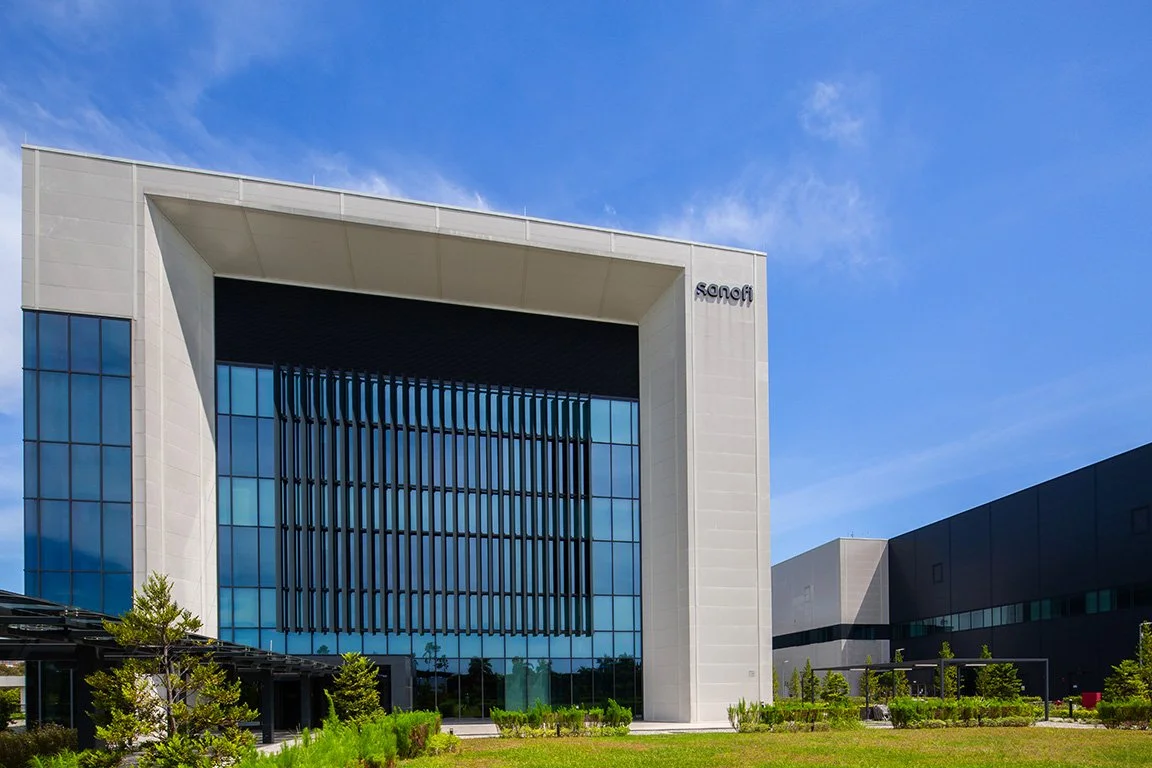
Exterior of the facility against the blue sky
Closing Reflection: From Visualization to Reality
Looking back, this journey reminds me how powerful visualization can be. More than a decade ago, I was lying in bed imagining myself inside massive industrial sites, picturing vessels, interacting with planners, and technology I had never touched. Today, those mental images have become reality — from construction sites and aerospace plants to pharmaceutical clean rooms and robotics.
The impact of this path goes beyond photography. It taught me that persistence, patience, improvisation, and careful planning can open doors even in industries that seem impossible to access. Building a portfolio from scratch, seizing small opportunities, and preparing relentlessly for bigger ones eventually led me to projects I once only dreamed of.
For anyone chasing a niche or long‑term creative goal, the takeaway is simple:
Visualize clearly — know what you want to achieve.
Start small — use what’s accessible to build credibility.
Plan meticulously — preparation is your edge when opportunities arrive.
Stay patient — setbacks are part of the process, but persistence pays off.
Industrial and pharmaceutical photography may be niche in Singapore, but it’s also proof that with vision and resilience, even the most guarded doors can open. My journey from mental imagery to real‑world execution is a reminder: no expectation, no disappointment — but with preparation, opportunities will find you.