Hiring an Industrial Photographer vs Using Phone Photos for Your Business Website
4-6 MINUTES READING TIME · 2 April 2026
In many industrial and corporate environments, using a phone to take photos has become the default. It is quick, accessible, and requires no additional coordination.
However, when those same images are used on a company website, corporate presentation, or marketing material, the limitations become clear.
For businesses operating in Singapore’s industrial sectors—maritime, manufacturing, logistics, construction, and engineering—the way operations are presented visually plays a direct role in how the company is perceived. Especially for SME (Small and Medium-size Enterprise).
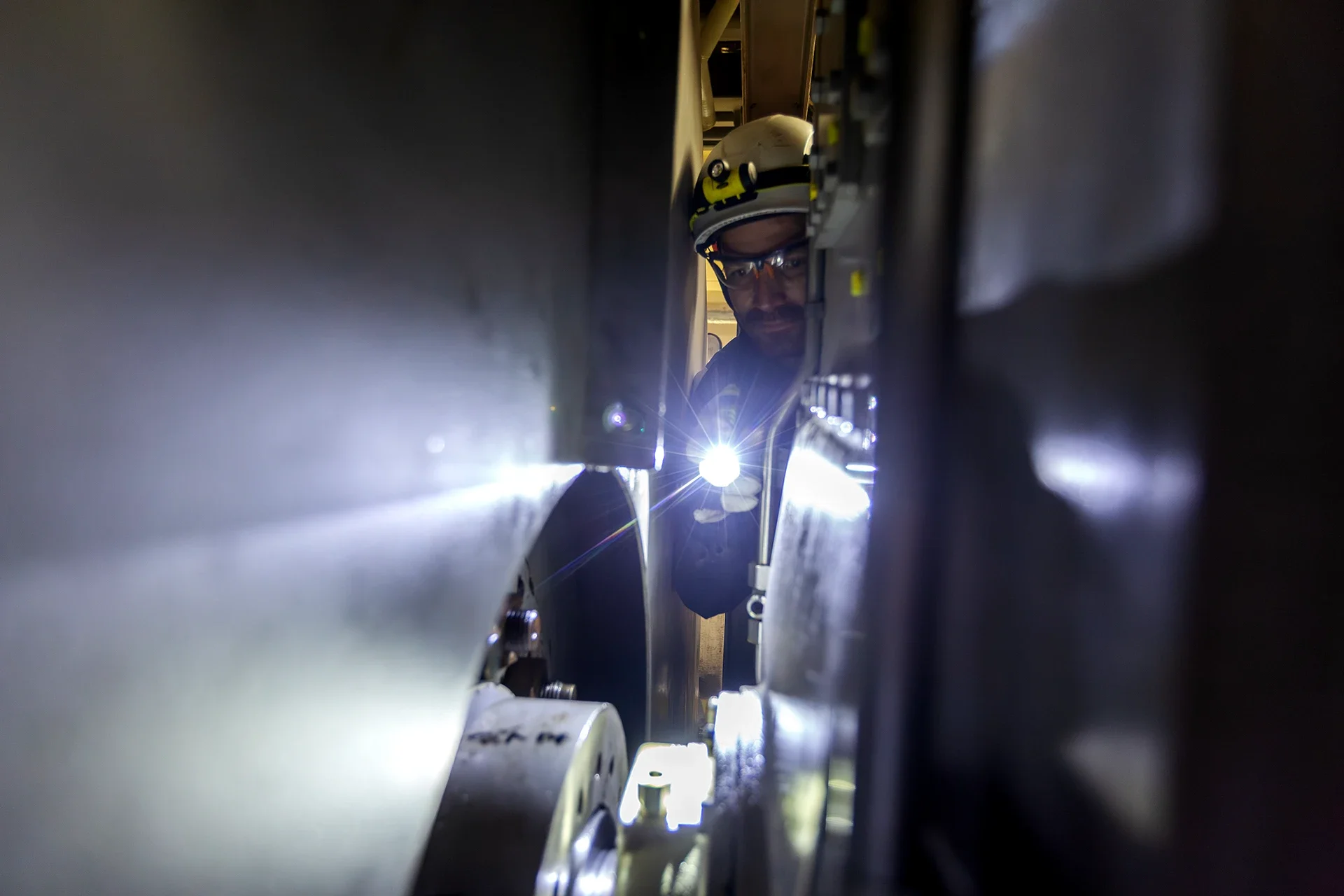
Engineer inspecting mechanical components under low light condition in a maritime setting.
The Convenience of Phone Photography
Phone cameras have improved significantly in recent years. For day-to-day documentation, they offer clear advantages:
Easy to use without technical setup
Immediate access on-site
Lightweight and portable
Quick sharing across teams
In fast-moving environments such as construction sites or plant facilities, this convenience is useful for internal updates or informal documentation.
However, convenience does not always translate into suitability for business-facing content.
Where Phone Images Fall Short in Industrial Environments
Industrial environments are rarely simple to photograph. They involve challenging lighting, large-scale structures, and operational constraints.
Phone cameras face several limitations in these conditions:
Limited dynamic range
Bright highlights from machinery or outdoor exposure can be overexposed, while shadows lose detail. This affects clarity in environments such as manufacturing floors or vessel decks.Small sensor limitations
Despite high megapixel counts, phone sensors struggle to retain detail when images are viewed on larger screens or used for website banners.Noise in low-light conditions
Facilities, plant environments, and interior operational areas often require higher ISO, resulting in visible noise and reduced image quality.Lack of control over composition
Without experience, important elements such as structure, workflow, and operational context may not be properly framed.Inconsistent visual output
Different team members capturing images leads to inconsistent style, exposure, and framing—reducing overall brand cohesion.
For internal use, these limitations may be acceptable. For external-facing platforms, they can weaken how the business is perceived.
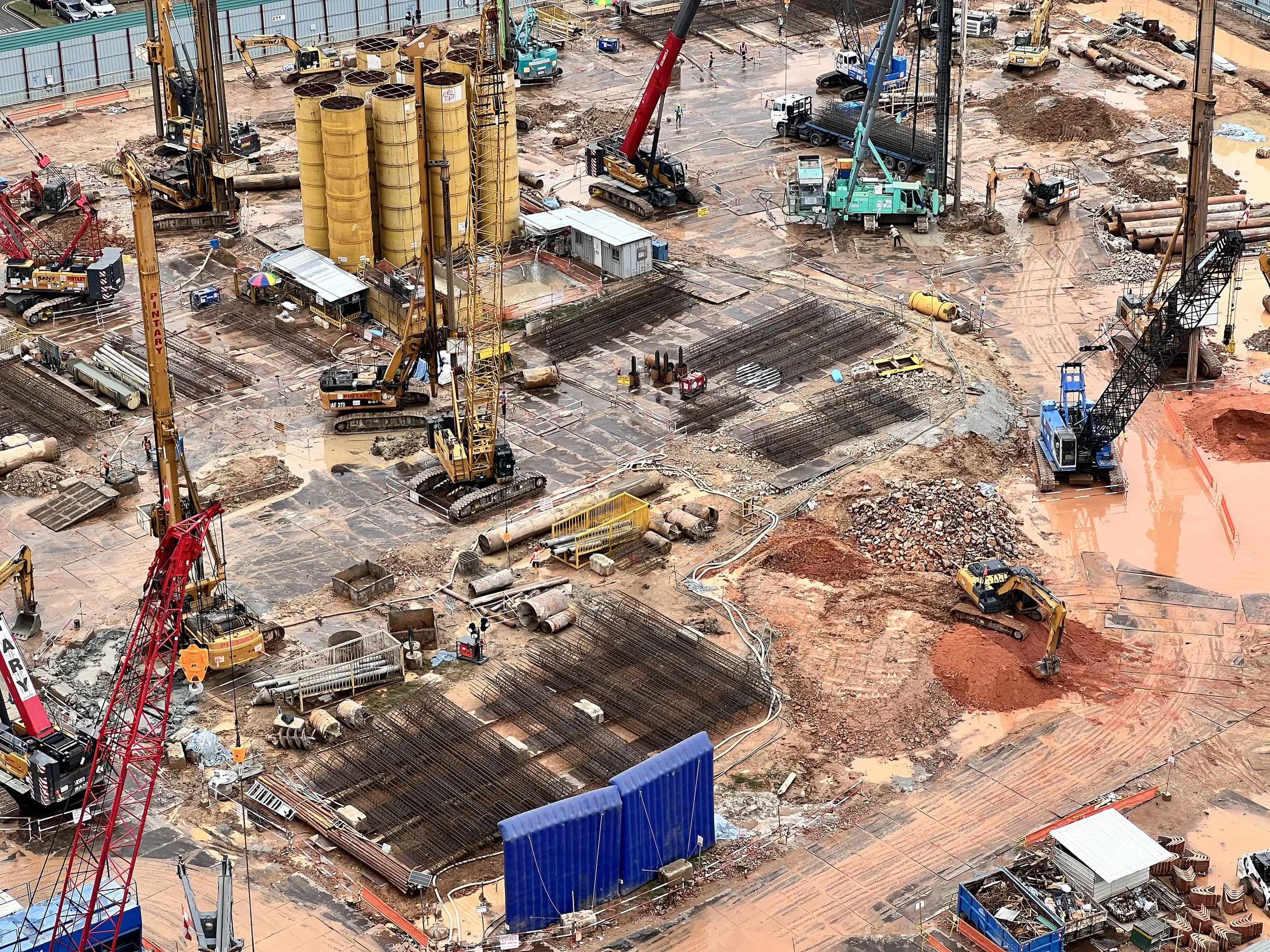
iPhone13
Optimized for quick sharing and mobile viewing, but quality breaks down when enlarged for reports, presentations, or print.
Automatically sharpens and boosts contrast, which looks fine on a small mobile screen but introduces artifacts and exaggerates edges.
Phone images may look “punchy” but can misrepresent textures, materials, or fine details—critical in industrial documentation, inspections, or marketing.
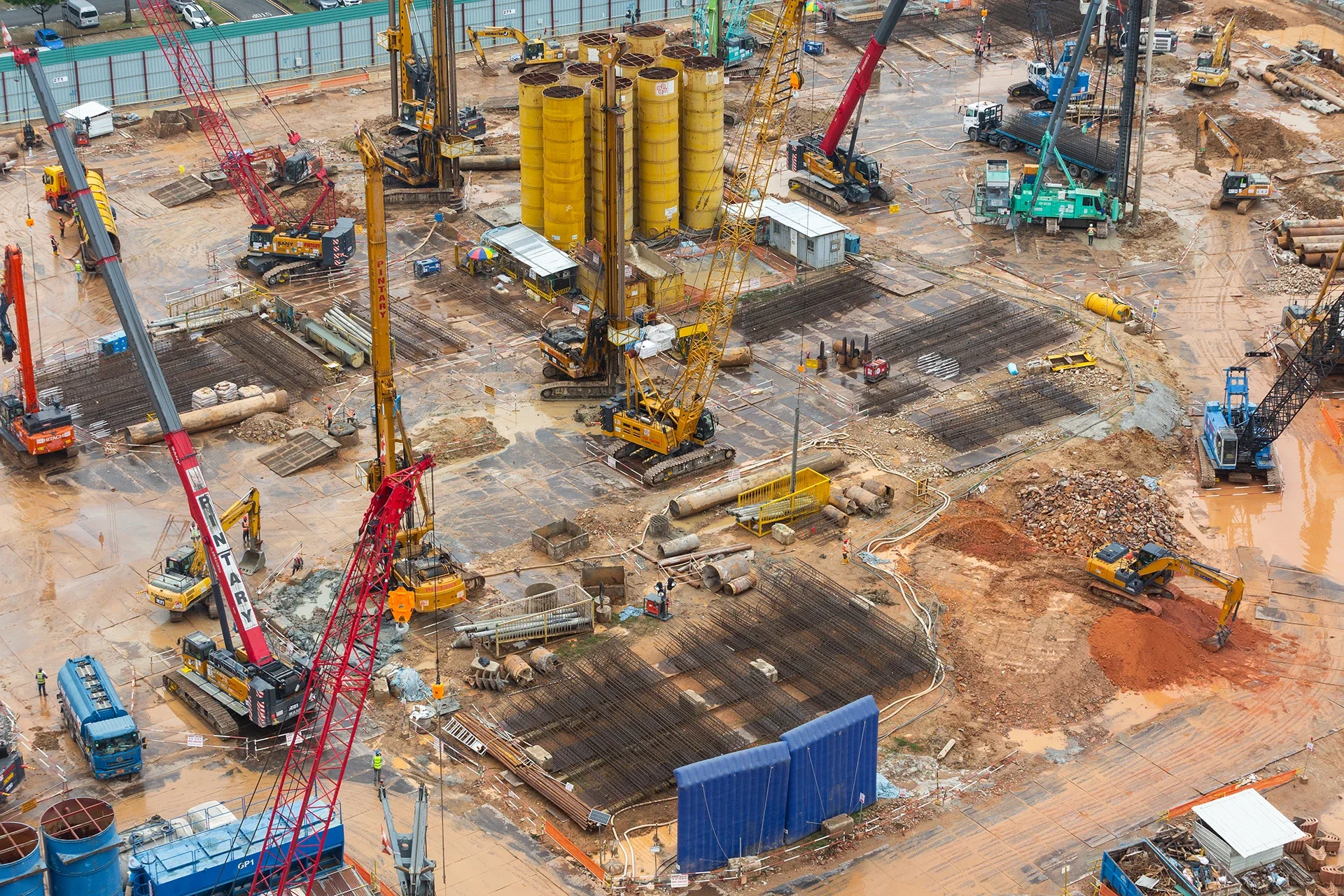
DSLR camera
Provides high-resolution files that remain sharp and accurate across formats—whether on a billboard, technical manual, or engineering report.
Captures a “neutral” image with more dynamic range, giving you full control in post-processing to adjust sharpness, colour balance, and detail for professional use.
DSLR images preserve subtle tonal variations and surface details, which are essential when accuracy and clarity matter.
Why Professional Industrial Photography Matters for B2B Brands
For B2B companies, especially in industrial sectors, clarity and credibility are critical.
Professional industrial photography focuses on accurately representing:
Operational processes
Work environments and facilities
Workforce and technical expertise
Equipment, machinery, and infrastructure
This is not about making images look “stylish.” It is about making them clear, structured, and commercially usable.
A professional photographer understands how to:
Work within safety and access constraints
Capture real operations without disruption
Manage lighting across complex environments
Maintain consistency across a full set of deliverables
This becomes especially important for companies presenting themselves to clients, partners, or stakeholders.
How High-Quality Images Support Business Outcomes
High-quality photography is not just visual improvement—it supports real business functions.
1. Stronger website credibility
Clear, well-executed visuals help communicate professionalism and operational capability.
2. Better communication with stakeholders
Images used in reports, presentations, and proposals become easier to understand and more persuasive.
3. Brand consistency across materials
From corporate decks to marketing collateral, consistent imagery strengthens brand identity.
4. Long-term usability
Professionally captured images can be used across multiple channels over time, reducing the need for repeated ad-hoc shooting.
5. Competitive positioning
In sectors such as maritime, construction, and manufacturing, companies with stronger visual documentation often appear more established and reliable.
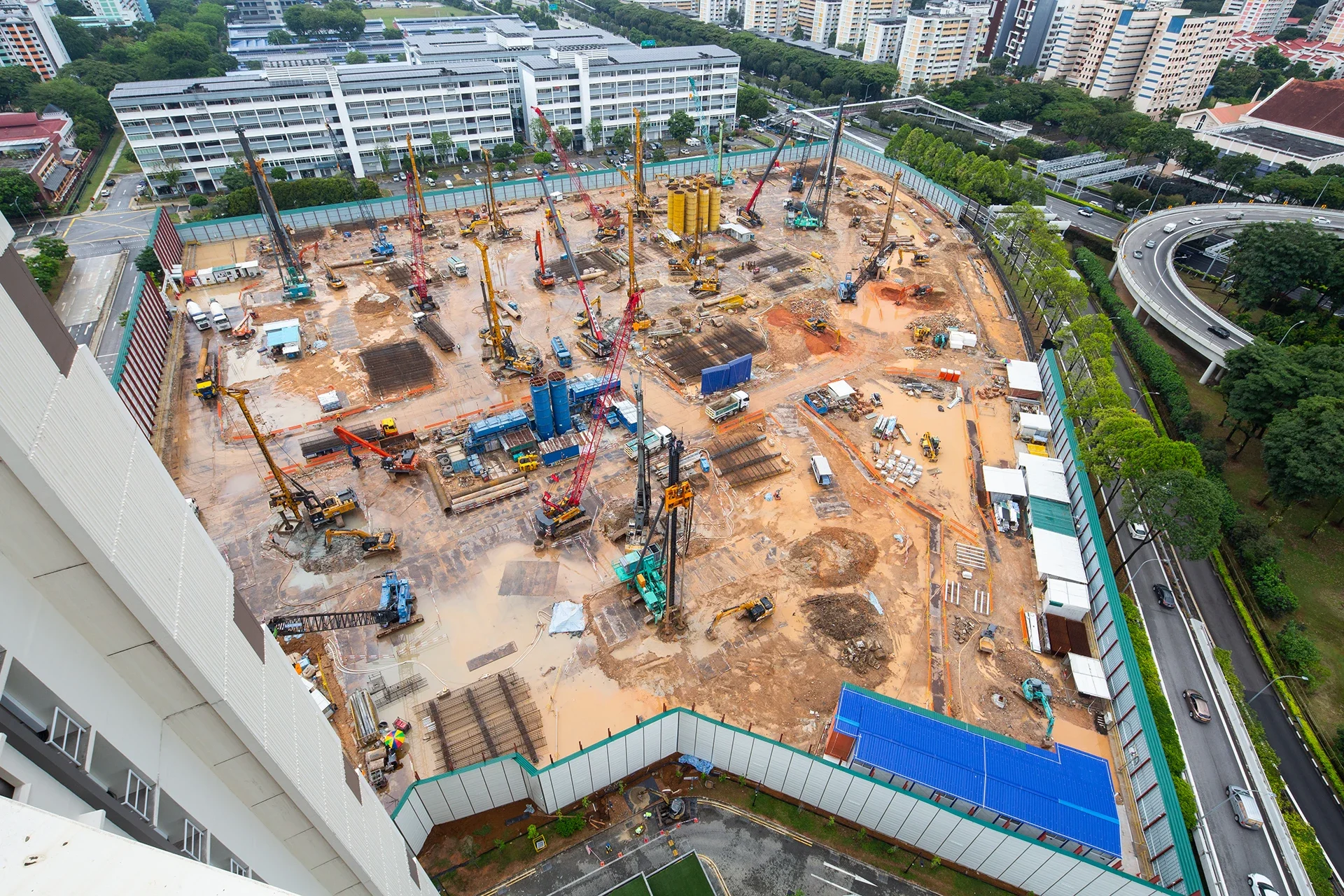
Aerial view of a construction site with ongoing activity. A perfect viewpoint to showcase monthly progression and capabilities.
When It Makes Sense to Engage an Industrial Photographer
Hiring an industrial photographer is most relevant when:
Images are intended for websites or marketing use
Projects need to be documented clearly and accurately
Facilities or operations need to be presented to external stakeholders
There is a need for consistent visual standards across the business
Rather than one-off usage, many companies benefit from ongoing photography support, especially when operations, projects, or facilities evolve over time.
FAQ Section
Is phone photography sufficient for industrial business websites?
For internal use, yes. For external-facing platforms such as websites and corporate materials, professional photography provides significantly better clarity, consistency, and credibility.
How often should industrial photography be updated?
This depends on operational changes. Companies with active projects or evolving facilities may benefit from periodic updates to maintain relevance.
Can photography be done without disrupting operations?
Yes. With proper planning and understanding of site conditions, photography can be carried out efficiently within operational and safety constraints.
CTA
If you are reviewing how your business is presented online, it may be useful to assess whether your current visuals reflect the quality of your operations.
For companies operating in manufacturing, maritime, logistics, construction, and facility environments, clear and consistent photography can support both communication and positioning.
Explore the industrial photography service to understand how your operations can be documented effectively, or get in touch to discuss your requirements.